



At UMC, technology is continuing to change the way healthcare is delivered, especially inside the operating room. Advanced robotics and artificial intelligence are helping physicians perform procedures with greater precision while improving the health of patients.
From robotic-assisted surgery systems to AI-powered diagnostic tools, these technologies are designed to support surgeons and specialists across multiple areas of care, including orthopedics, urology, digestive health, cardiology, and emergency medicine.
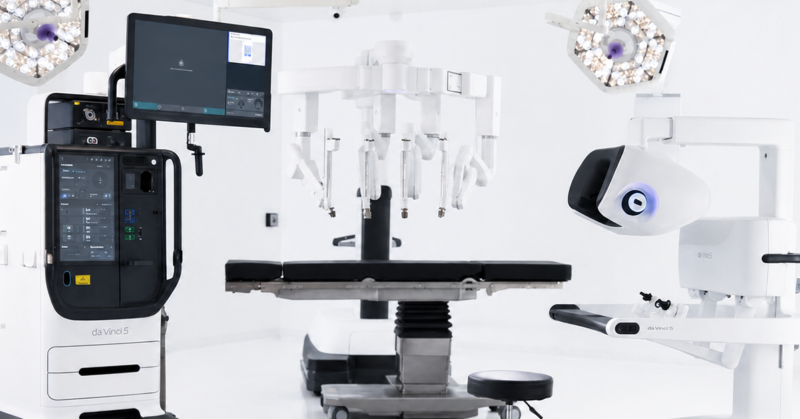
Da Vinci 5 Robotic System
UMC recently expanded its surgical technology with the addition of the Da Vinci 5 robotic system, a surgeon-controlled platform designed to support minimally invasive procedures.
One of the system’s most advanced features is haptic feedback technology, which allows surgeons to feel the amount of pressure being applied to tissue during surgery. This added feedback may help improve precision and reduce tissue injury during procedures.
The Da Vinci 5 also integrates multiple surgical tools into one platform to help improve operating room workflow and efficiency. In addition to patient care, the system supports medical education through a dual teaching console that allows surgeons to train residents and medical students in real-time during procedures.
For patients, robotic-assisted surgery may offer:
- Smaller incisions
- Reduced pain after surgery
- Less scarring
- Faster recovery times
Mako Robotic Arm
For patients undergoing joint replacement procedures, UMC also utilizes the Mako Robotic-Arm Assisted Surgery System.
The Mako system creates a 3D model of the patient’s anatomy before surgery, allowing surgeons to develop a personalized surgical plan for hip or knee replacement procedures.
During surgery, the robotic arm helps guide the surgeon’s movements within a precise surgical boundary designed specifically for the patient. This technology can help improve implant placement accuracy while preserving healthy bones and tissue.
Swoop Portable MRI
UMC also uses innovative imaging technology such as the Swoop portable MRI system.
Unlike traditional MRI machines located in dedicated imaging suites, the Swoop system can be brought directly to a patient’s bedside in areas such as the intensive care unit or emergency department.
This portable imaging technology allows care teams to perform brain imaging on critically ill patients without needing to transport them through the hospital, helping improve efficiency and patient safety.
GI Genius™ AI Technology
Artificial intelligence is also playing a growing role in preventive and diagnostic care at UMC.
At UMC’s Digestive Health Center, the GI Genius™ system uses AI-assisted technology during colonoscopies to help physicians identify potential polyps in real time.
This added layer of technology supports physicians during screenings and may help improve early detection of colorectal abnormalities.
Octaray Cardiac Mapping Technology
In cardiac care, UMC uses the Octaray mapping catheter, an advanced AI-assisted system designed to help specialists diagnose and treat heart rhythm disorders such as atrial fibrillation (AFib).
Octaray’s technology creates detailed 3D electrical maps of the heart, allowing electrophysiologists to identify abnormal electrical signals in the heart with greater precision during procedures.
Technology Supporting Patient Care
While robotics and AI continue to advance healthcare, physicians remain at the center of patient care. These technologies are designed to support healthcare teams by improving precision, visualization and surgical planning.
As healthcare continues to evolve, UMC remains focused on expanding access to advanced medical technology across the borderland region.
By combining innovation with patient-centered care, UMC continues working to bring advanced treatment options closer to home for the El Paso community.
Stay connected with UMC’s events, initiatives and community recognition. Visit umcelpaso.org to learn more, register for upcoming events or celebrate our latest achievements.