



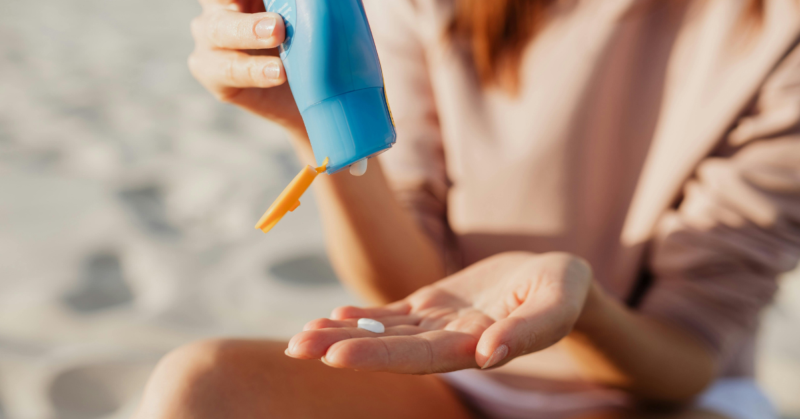
Summer in El Paso often means spending more time outdoors, but increased sun exposure can also increase the risk of sunburn, premature skin aging, and skin cancer. Ultraviolet (UV) rays can damage the skin even on cloudy days, making daily protection an important part of staying healthy.
Fortunately, a few simple habits can help reduce the effects of the summer sun and protect your skin throughout the season.
1. Wear Sunscreen Every Day
The American Academy of Dermatology (AAD) recommends using a broad-spectrum sunscreen with an SPF of 30 or higher. Sunscreen should be applied before going outdoors and reapplied every two hours, or more often after swimming or sweating.
Even short periods of sun exposure can add up over time, making daily protection important.
2. Limit Midday Sun Exposure
When possible, schedule outdoor activities during the early morning or evening hours. If you need to be outside, seek shade whenever possible and take breaks from direct sunlight. UV rays are generally strongest between 10 a.m. and 4 p.m.
3. Choose Protective Clothing
Clothing can be one of the simplest forms of sun protection. Long-sleeved shirts, wide-brimmed hats, and sunglasses can help reduce UV exposure, especially during prolonged outdoor activities.
Lightweight, breathable fabrics can also make spending time outdoors more comfortable during the summer months.
4. Stay Hydrated
High temperatures can lead to dehydration, which can affect your overall health, including your skin. Health experts recommend drinking fluids regularly throughout the day and increasing water intake when spending extended periods outdoors.
Eating fruits and vegetables with high water content can also help maintain hydration during hot weather.
5. Pay Attention to Changes in Your Skin
Regularly checking your skin can help you notice changes that may need medical attention.
A new mole, changes in the size or color of an existing spot, or a sore that does not heal should be evaluated by a healthcare professional. Early detection is an important part of treating many skin conditions.
Healthy Habits for a Safer Summer
Protecting your skin does not have to be complicated. Small steps, such as wearing sunscreen, seeking shade, staying hydrated, and monitoring changes in your skin, can help reduce the long-term effects of sun exposure.
At University Medical Center, we encourage our community to make skin health part of their overall wellness routine. Taking preventive measures today can help protect your health throughout the summer and beyond.
It is important to monitor your health regularly to prevent, detect, and manage potential risks. Our health professionals are here to support your overall well-being. Call (915) 521-7979 today to schedule an appointment or visit umcelpaso.org to learn more.