

Patients and visitors can take simple steps to reduce the spread of germs during a healthcare visit or hospital stay. International Infection Prevention Week is a good opportunity to review a few everyday habits that can help lower the risk of infection.
Here are five things you can do to help protect yourself and others.
1. Clean Your Hands Often
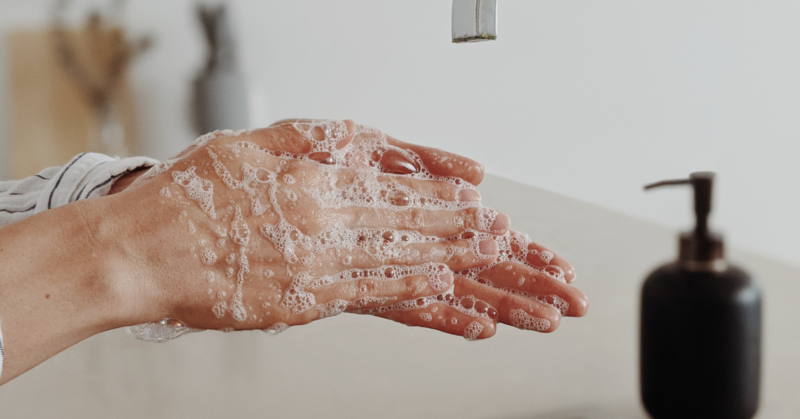
Hand hygiene is one of the simplest ways to help prevent the spread of germs. The Centers for Disease Control and Prevention (CDC) recommends cleaning your hands before eating, after using the restroom, after coughing or sneezing, and after touching surfaces that may have germs.
2. Ask Your Care Team to Clean Their Hands
Patients can speak up about hand hygiene, too. If you do not see a healthcare professional clean their hands before an examination, treatment or dressing change, it is okay to ask them to do so. The CDC specifically recommends that patients and their loved ones remind healthcare personnel to clean their hands.
3. Don’t Visit When You’re Sick
If you have symptoms of a respiratory infection, postpone nonurgent visits to healthcare facilities until you feel better, when possible. If you need care while symptomatic, follow the facility’s guidance on masking and respiratory hygiene. When coughing or sneezing, use a tissue or your elbow and clean your hands afterward.
4. Take Antibiotics Exactly as Prescribed
Antibiotics are used to treat certain bacterial infections, but they do not treat viral illnesses such as colds or the flu. Taking antibiotics when they are not needed can cause side effects and contribute to antibiotic resistance. If you are prescribed an antibiotic, follow your healthcare provider’s instructions and let them know if you experience side effects.
5. Know the Signs of an Infection
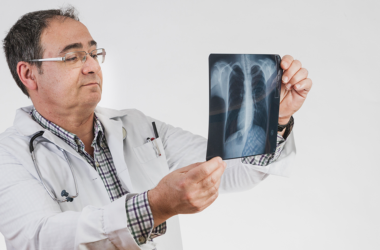
Pay attention to changes in your health, especially after a procedure or surgery. Fever, increasing redness, pain or drainage around a surgical incision can be signs of an infection and should be discussed with a healthcare professional.
The CDC recommends that patients know what to watch for after medical procedures and ask their care team about signs of infection.
A Few Simple Habits Can Help
Infection prevention involves healthcare professionals, patients and visitors. Cleaning your hands, speaking up about hand hygiene, staying home when you are sick and following your provider’s instructions can all help reduce the spread of infections.
International Infection Prevention Week is a good time to review these habits before your next healthcare visit.
It is important to monitor your health regularly to prevent, detect, and manage potential risks. At University Medical Center of El Paso, our health professionals are here to support your overall well-being. Call (915) 521-7979 today to schedule an appointment or visit umcelpaso.org to learn more.