
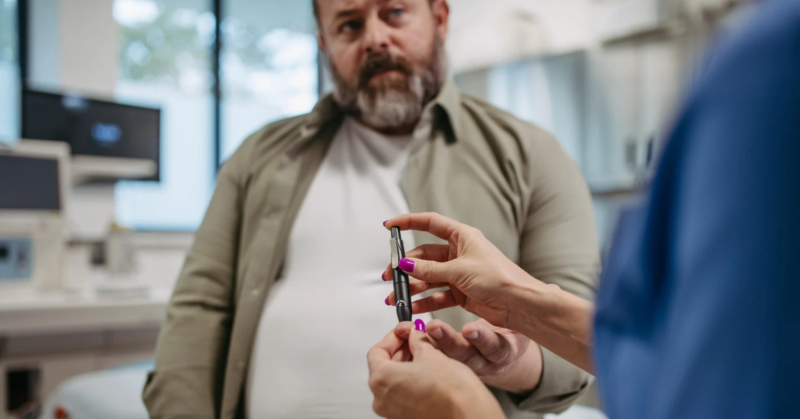
Hispanic and Latino adults are among the groups at higher risk for prediabetes and type 2 diabetes, which makes early testing especially important for many families in El Paso. Because both conditions often develop without symptoms, a person can feel healthy while their blood sugar quietly climbs. That is why World Diabetes Day on Nov. 14 is focusing on catching diabetes sooner, with the World Health Organization’s (WHO) 2026 theme “Early action on diabetes.”
A Gap in Diagnosis Around the World
According to the WHO, more than 40 percent of people living with diabetes worldwide have not been diagnosed. Without a diagnosis, they may miss out on the treatment and support they need to manage their health. The picture in the U.S. is also significant: the CDC reports that about 1 in 8 Americans has diabetes.
Symptoms Worth Mentioning to Your Provider
The WHO cites common signs of diabetes that include:
- Increased thirst
- Frequent urination
- Tiredness
- Blurred vision
- Unexplained weight loss
Type 1 diabetes often develops quickly and can appear at any age. Type 2 diabetes, on the other hand, usually develops gradually and may cause few or no noticeable symptoms. If you notice any of these signs, talk with your health care provider rather than waiting to see if they go away.
Know Where You Stand on Risk
The CDC notes that you are at higher risk for prediabetes and type 2 diabetes if you:
- Have overweight or obesity
- Are age 45 or older
- Have a parent or sibling with type 2 diabetes
- Are physically active less than three times a week
- Have had gestational diabetes or given birth to a baby who weighed more than 9 pounds
- Are Hispanic or Latino, African American, American Indian or Alaska Native, or belong to some Pacific Islander or Asian American groups
A Quick Blood Test Can Answer the Question
The only way to know whether you have prediabetes or diabetes is a blood sugar test. The CDC mentions that testing is simple and results are usually available quickly. People with any risk factors are urged to ask their doctor whether they should be screened. If you had your blood sugar checked at a pharmacy or health fair, the CDC recommends following up with your doctor, who may want to test you again to confirm the results.
This November 14, consider taking one early step by asking your provider about a blood sugar test at your next visit.
Regularly monitor your health to prevent, detect, and manage potential risks. At UMC, our health professionals are here to support your overall well-being. Call (915) 521-7979 today to schedule an appointment or visit umcelpaso.org to learn more.