

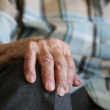


Two in three Americans want brain health guidance from a health care provider, yet only 14 percent have discussed it with their doctor, according to the Alzheimer’s Association’s 2026 Alzheimer’s Disease Facts and Figures report. That gap is worth paying attention to, since the Alzheimer’s Association estimates that 7.4 million Americans age 65 and older are living with Alzheimer’s in 2026. With November marking National Alzheimer’s Disease Awareness Month, now is a good time to learn the warning signs and the everyday habits that may lower your risk.
Starting the Conversation at UMC
At University Medical Center of El Paso (UMC), adults 65 and older can receive care from a multidisciplinary team led by a geriatrician, both in the hospital and at UMC Outpatient Clinics. If you have noticed changes in your memory or a loved one’s, it will be helpful to write down what you have seen and share it with a provider. An early diagnosis gives families time to consider treatment options and plan for the future.
More Than Ordinary Forgetfulness
Alzheimer’s is the most common type of dementia, according to the CDC. It damages nerve cells in the brain and gets worse gradually, with symptoms that usually begin after age 60. While some memory changes are a normal part of aging, Alzheimer’s is not. There is no cure yet, but treatment can help manage symptoms and, in some cases, slow the disease.
Signs That Deserve a Closer Look
The CDC notes that a person with Alzheimer’s may experience:
- Memory loss that disrupts daily life
- Trouble handling money or paying bills
- Difficulty completing familiar tasks
- Misplacing things and being unable to retrace steps
- Changes in mood, personality or behavior
Having one or more of these signs does not always mean Alzheimer’s, because memory problems can have other causes, and some of them can be treated.
Everyday Habits That May Protect Your Brain
A 2024 Lancet Commission report, cited by the CDC, estimates that nearly 45 percent of dementia cases may be prevented or delayed. To help lower your risk, the CDC recommends staying physically active (150 minutes a week), preventing or managing diabetes, controlling blood pressure, treating hearing loss, limiting alcohol and not smoking.
These habits are especially relevant for many families in our community. The Alzheimer’s Association reports that older Hispanic Americans are about one and a half times as likely as older White Americans to have Alzheimer’s or another dementia. For that reason, it will be helpful to bring these topics up at your next primary care visit.
Support for the People Doing the Caring
Nearly 13 million Americans provide unpaid care for someone with dementia, and 59 percent of these caregivers report high or very high emotional stress, according to the Alzheimer’s Association. If you are caring for a loved one, the free 24/7 Helpline at (800) 272-3900 offers confidential support and local resources in more than 200 languages.
It is important to monitor your health regularly to prevent, detect, and manage potential risks. At UMC, our health professionals are here to support your overall well-being. Call (915) 521-7979 today to schedule an appointment, or visit umcelpaso.org to learn more.