

Every day, thousands of people across the United States are waiting for the call that could save or transform their lives: the news that a matching organ has become available. For many Hispanic families, that wait is longer than it needs to be.
According to the American Heart Society, Hispanics make up nearly 20% of the U.S. population but account for more than one in five people on the national organ transplant waiting list. As the Hispanic population continues to grow in communities like El Paso, increasing organ and tissue donor registration has become an important step toward helping more patients receive lifesaving care.
Why Representation Matters
While anyone can donate to anyone with a compatible blood and tissue match, donors and recipients often share similar genetic backgrounds. Because of this, patients are sometimes more likely to find a suitable match from someone with a similar ethnicity.
That’s why increasing donor registration within Hispanic communities can help improve the chances of finding compatible organs and tissues for patients who are waiting for a transplant.
Common Conditions That Lead to Transplants
Many people assume organ transplants are rare, but they are often the result of chronic illnesses that affect families every day.
Conditions such as diabetes, high blood pressure, heart disease, liver disease and kidney failure can eventually lead to organ failure. The National Institute of Diabetes and Digestive and Kidney Diseases (NIDDK) notes that diabetes remains one of the leading causes of kidney failure in the United States, making kidney transplantation an important treatment option for many patients.
For others, donated tissue can restore vision, repair injuries, or improve mobility after serious illness or trauma.
One Donor Can Help Many Lives
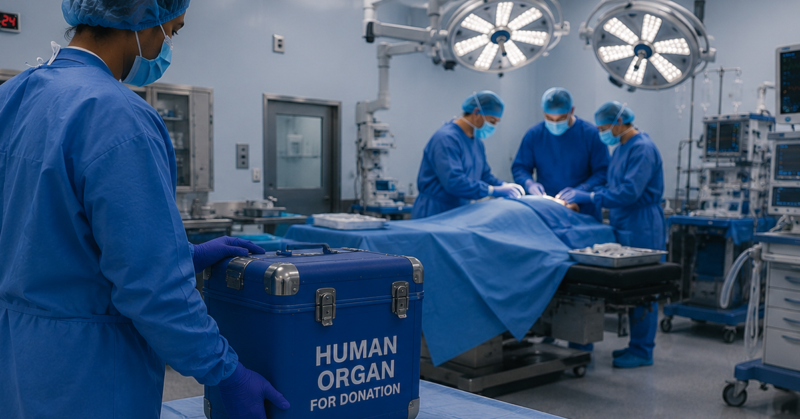
Organ donation has the potential to save multiple lives. According to the Health Resources & Services Administration (HRSA), a single organ donor can save up to eight lives, while tissue donation can help more than 75 people through procedures involving bone, skin, heart valves, tendons, and corneas.
Choosing to become a donor is a decision that can continue making a difference long after a person’s lifetime.
Talking With Your Family
Registering as an organ donor is an important first step, but experts also encourage having a conversation with loved ones.
Sharing your decision ahead of time helps ensure your wishes are understood and can make an already difficult moment easier for family members.
Many people have questions about organ donation because of cultural traditions or religious beliefs. At University Medical Center of El Paso, caring for patients extends by helping our community understand the choices that can save lives.
It is important to monitor your health regularly to prevent, detect, and manage potential risks. At University Medical Center, our health professionals are here to support your overall well-being. Call (915) 521-7979 today to schedule an appointment or visit umcelpaso.org to learn more.