

Every year, World Lung Cancer Day, observed on August 1, raises awareness about one of the most commonly diagnosed cancers worldwide. According to the American Cancer Society, lung cancer is the second most common cancer in both men and women in the United States, and it remains the leading cause of cancer-related deaths. However, advances in screening and treatment are helping more people receive care earlier, when it can be most effective.
When many people think about lung cancer, they immediately think of smoking. While tobacco use remains the biggest risk factor, it’s not the whole story.
The American Lung Association shares that people who have never smoked can also develop lung cancer. Exposure to secondhand smoke, radon gas, air pollution, certain workplace chemicals, and even family history can all play a role.
Lung Cancer Often Doesn’t Cause Symptoms Right Away
One of the biggest challenges with lung cancer is that it can develop quietly. Many people don’t notice symptoms until the disease has progressed.
That’s why it’s important not to ignore changes such as:
- A cough that doesn’t go away
- Chest pain
- Shortness of breath
- Coughing up blood
- Unexplained weight loss
- Frequent respiratory infections
These symptoms don’t always mean cancer, but they should be evaluated by a healthcare provider.
Screening Can Save Lives
Many people are surprised to learn that lung cancer screening is recommended only for individuals who meet certain risk factors.
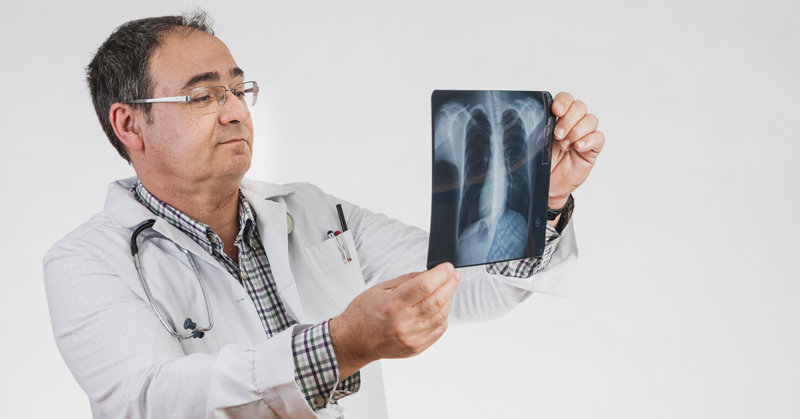
The U.S. Preventive Services Task Force recommends yearly low-dose CT scans for adults ages 50 to 80 who have a significant smoking history and currently smoke or have quit within the past 15 years. For people who qualify, screening can detect lung cancer before symptoms appear, when treatment is often more successful.
If you think you may be at risk, ask your healthcare provider whether screening is appropriate for you.
Small Changes Matter
Not every case of lung cancer can be prevented, but there are steps that can help reduce your risk:
- Avoid tobacco products and secondhand smoke.
- Test your home for radon.
- Wear proper protective equipment if you work around hazardous chemicals.
- Talk with your healthcare provider if you have ongoing respiratory symptoms or a family history of lung cancer.
University Medical Center of El Paso provides comprehensive cancer care in partnership with Texas Tech Health El Paso, helping patients access advanced diagnostics, treatment, and ongoing support close to home. This World Lung Cancer Day, learning your risk and knowing when to seek care can be the first step toward protecting your health.
It is important to monitor your health regularly to prevent, detect, and manage potential risks. At University Medical Center, our health professionals are here to support your overall well-being. Call (915) 521-7979 today to schedule an appointment or visit umcelpaso.org to learn more.