

Pregnancy comes with many physical changes, but some symptoms should never be dismissed. Such is the case of preeclampsia, a serious pregnancy-related condition that can develop quickly and put both mother and baby at risk if left untreated. Knowing the warning signs and seeking prompt medical care can make a critical difference.
What Is Preeclampsia?
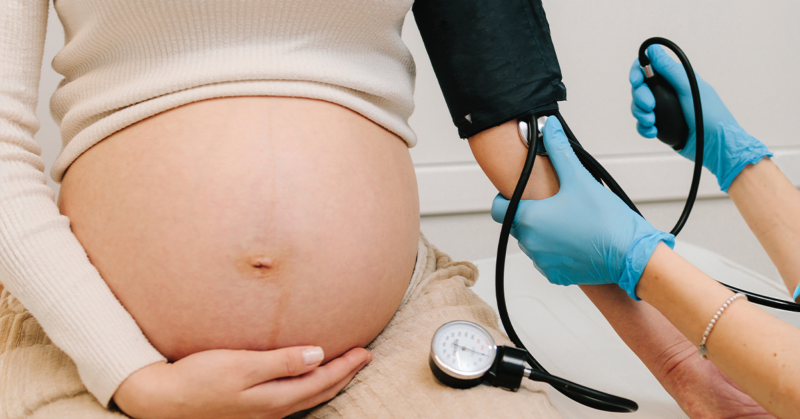
Preeclampsia is a condition marked by high blood pressure that develops during pregnancy, usually after the 20th week, or shortly after delivery. It can also affect how the kidneys, liver, lungs, and brain function. Although many women recover fully with treatment, the condition can escalate quickly if not identified early.
When preeclampsia becomes severe, it may trigger seizures. This complication is known as eclampsia and is considered a medical emergency.
Why It Matters
The Centers for Disease Control and Prevention identifies preeclampsia as a major contributor to pregnancy-related deaths in the United States. It is estimated to affect between 2 percent and 8 percent of pregnancies, making awareness and routine prenatal care especially important.
Regular prenatal care is one of the best ways to detect concerns early, especially because some women may not notice symptoms right away.
Warning Signs You Shouldn’t Ignore
Seek medical attention right away if you experience:
- A headache that does not go away
- Blurred vision, seeing spots or other vision changes
- Pain in the upper abdomen
- Nausea or vomiting after mid-pregnancy
- Sudden swelling in the face or hands
- Rapid or sudden weight gain
- Trouble breathing
- Confusion or unusual anxiety
These symptoms can also occur after delivery. Postpartum preeclampsia may develop within days of giving birth—or even weeks later.
Take the Next Step
If you are pregnant or have recently given birth and notice any of these warning signs, contact your healthcare provider immediately. Early diagnosis and treatment can help protect you and your baby.
At University Medical Center of El Paso, we are committed to supporting healthy pregnancies through expert maternity and women’s health services. From routine prenatal visits to specialized care for high-risk pregnancies, UMC’s experienced team is here to guide you every step of the way.
It is important to monitor your health regularly to prevent, detect and manage potential risks. At University Medical Center of El Paso (UMC), our health professionals are here to support your overall well-being. Call (915) 521-7979 today to schedule an appointment or visit umcelpaso.org to learn more.