



Families who came out to Charlie Clark Nissan’s Fall Festival in October had the chance to enjoy the celebration and learn how to keep their children safer on the road. The University Medical Center Foundation of El Paso brought its El Paso Health Car Seat Safety Program to the event, where parents and caregivers could ask questions about car seat use and learn about the free help available in El Paso.
The Right Seat Matters
Car crashes are a leading cause of death for children ages 1 to 13, and in 2024, 39 percent of children killed in crashes were not buckled in, according to the National Highway Traffic Safety Administration (NHTSA). The right seat makes a real difference: Centers for Disease Control and Prevention (CDC) data show car seats lower a child’s risk of injury by 71 to 82 percent compared with a seat belt alone.
Four Stages, One Rule: Follow the Seat’s Limits
The CDC recommends keeping children in each stage until they reach the height or weight limit on the seat’s label. Because children grow at different rates, the ages below are only a general guide.
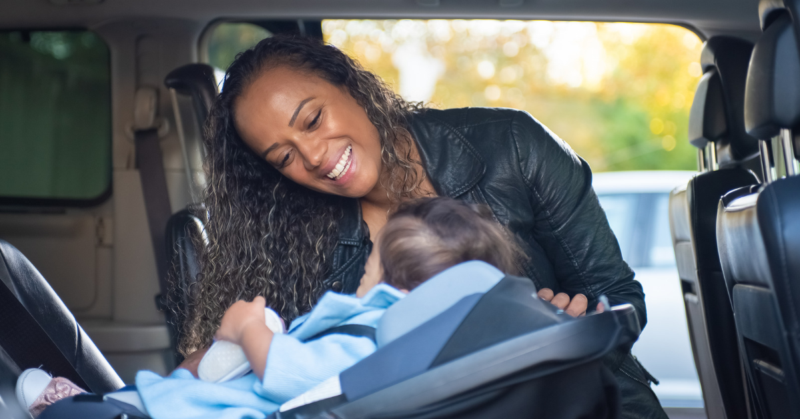
- Rear-facing car seat (birth until about age 2 to 4), with a harness, for as long as possible.
- Forward-facing car seat (until at least age 5), with a harness and top tether.
- Booster seat (until the seat belt fits), which usually happens between ages 9 and 12.
- Seat belt, once the lap belt rests across the upper thighs and the shoulder belt crosses the center of the shoulder and chest, not the neck.
A Quick Fit Check Before You Drive
CDC guidance says an installed seat should move no more than one inch side to side or front to back at the belt path. If you can pinch an extra harness strap at your child’s shoulder, the harness is too loose, and the chest clip should sit at armpit level. Children should also ride in the back seat until age 13, and a rear-facing seat should never go in front of an air bag.
Free Help Long After the Festival
The El Paso Health Car Seat Safety Program holds free car seat safety events one Saturday each month. Certified Child Passenger Safety Technicians inspect seats, show parents how to install them, and teach families how to buckle children correctly. If a new seat is needed and the right one is available, the program provides it at no cost. The UMC Foundation also offers a Special Needs Car Seat Loaner Program for children who temporarily cannot use a regular car seat because of medical condition.
The UMC Foundation thanks Charlie Clark Nissan for inviting the program to its Fall Festival and helping more El Paso families connect with these resources.
Monitor your health regularly to prevent, detect, and manage potential risks. At UMC, our health professionals are here to support your overall well-being. Call (915) 521-7979 today to schedule an appointment or visit umcelpaso.org to learn more.


