

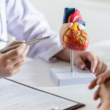



High blood pressure, high cholesterol, and diabetes can develop without obvious symptoms, while still increasing the risk of heart disease and stroke. That is one reason knowing your numbers and keeping up with regular medical care can be just as important as paying attention to how you feel.
World Heart Day is observed every year on Sept. 29. In 2026, the World Heart Federation continues its “Don’t Miss a Beat” campaign, highlighting that cardiovascular disease remains the world’s leading cause of death.
Numbers Are Important
Blood pressure, cholesterol, and blood sugar can tell you things about your heart health that you may not notice on your own. The American Heart Association recommends keeping track of these numbers because high blood pressure, unhealthy cholesterol levels, and diabetes can all increase cardiovascular risk.
High blood pressure is especially easy to overlook because it often does not cause symptoms. Over time, it can damage blood vessels and increase the risk of heart attack and stroke. Regular blood pressure checks can help identify a problem before it becomes more serious.
Look Beyond the Heart
Heart health is connected to more than just the heart. Diabetes, smoking, physical inactivity, high blood pressure, and unhealthy cholesterol levels can all contribute to cardiovascular disease. For people living with Type 2 diabetes, the American Heart Association notes that the risk of cardiovascular disease is higher, making blood sugar, blood pressure, and cholesterol management especially important.
Family history and age can also affect your risk. Some factors cannot be changed, but many others can be managed with medical care, physical activity, healthy eating, and treatment when needed.
Don’t Miss a Beat
World Heart Day is a reminder to look beyond how you feel today and pay attention to your long-term heart health. A routine appointment can be an opportunity to check your blood pressure, cholesterol, blood sugar, and other risk factors and to discuss any concerns with your healthcare provider.
At University Medical Center of El Paso, patients have access to care for managing conditions that can affect heart health, including high blood pressure and diabetes. If you have not had a routine checkup recently, talking with your healthcare provider about your heart health can be a good place to start.
And if you experience symptoms of a heart attack or another medical emergency, do not wait. Call 911 for immediate medical assistance.
It is important to monitor your health regularly to prevent, detect, and manage potential risks. At UMC, our health professionals are here to support your overall well-being. Call (915) 521-7979 today to schedule an appointment or visit umcelpaso.org to learn more.


