



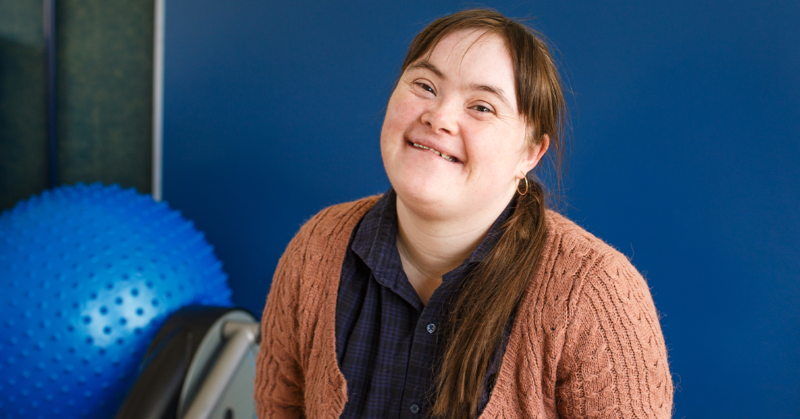
Every year on March 21, communities around the globe recognize World Down Syndrome Day, a day dedicated to increasing awareness and celebrating the lives of people with Down syndrome. The date itself carries meaning: the third month and the 21st day symbolize the extra third copy of chromosome 21 that causes the condition.
At University Medical Center of El Paso, we invite everyone to challenge long-standing misconceptions and share accurate information that can help families make informed healthcare decisions.
In the United States, Down syndrome remains the most common chromosomal condition diagnosed at birth. The Centers for Disease Control and Prevention reports that approximately 5,700 to 6,000 babies are born with Down syndrome each year in the country.
According to the National Down Syndrome Society, people with Down syndrome are living longer and healthier lives today than in previous generations, with their life expectancy increasing from 25 years in 1983 to 60 years today.
But despite growing awareness, misconceptions about Down syndrome still exist. Separating myths from facts can help families, educators, and healthcare providers better support individuals living with the condition.
5 Myths About People With Down Syndrome
Myth 1: People with Down syndrome cannot live fulfilling lives
Fact:
Many people with Down syndrome report high levels of happiness and strong relationships with family and friends. According to the National Down Syndrome Society, most individuals with Down syndrome describe themselves as content with their lives and proud of their accomplishments.
Myth 2: Down syndrome always means severe intellectual disability
Fact:
Learning abilities vary widely, and while most individuals with Down syndrome have mild to moderate intellectual disability, many develop strong communication, social, and practical life skills. Early intervention programs, such as speech therapy, occupational therapy, and physical therapy, can significantly improve developmental outcomes.
Myth 3: Adults with Down syndrome cannot work or contribute to society
Fact:
Increasing numbers of adults with Down syndrome hold jobs, volunteer, and participate actively in their communities. Employment opportunities have expanded as employers recognize the value of inclusive workplaces and the skills individuals with Down syndrome bring to their roles.
Myth 4: Down syndrome only affects children
Fact:
Down syndrome is a lifelong condition. Children with Down syndrome grow up to become adults with evolving healthcare needs. Healthcare providers often emphasize lifelong care, including monitoring for certain medical conditions that may be more common in individuals with Down syndrome, such as congenital heart defects or thyroid disorders.
Myth 5: Families raising a child with Down syndrome are alone
Fact:
Support networks for families have expanded significantly over the years. National organizations, community programs, and healthcare teams help parents access resources, education, and developmental services.
Recognizing World Down Syndrome Day is not just about raising awareness; it is about replacing outdated assumptions with accurate information and compassion. Better medical care, early developmental support, and more inclusive communities have changed the outlook for people with Down syndrome in meaningful ways. Today, individuals with Down syndrome attend school, build friendships, work, and participate in their communities.
It is important to monitor your health regularly to prevent, detect, and manage potential risks. At University Medical Center of El Paso (UMC), our health professionals are here to support your overall well-being. Call (915) 521-7979 today to schedule an appointment or visit umcelpaso.org to learn more.