

Following American Heart Month, University Medical Center of El Paso invites everyone to take a moment to check in on their cardiovascular health, even if they feel perfectly well. Many heart conditions, such as high blood pressure and clogged arteries, are often called “silent killers” because they can develop without obvious symptoms until a serious event occurs. Early detection through routine screenings is key to preventing heart attacks, strokes, and other complications.
According to the American Heart Association (AHA), the following five screenings are essential for keeping your heart in check:
1. Blood Pressure Check
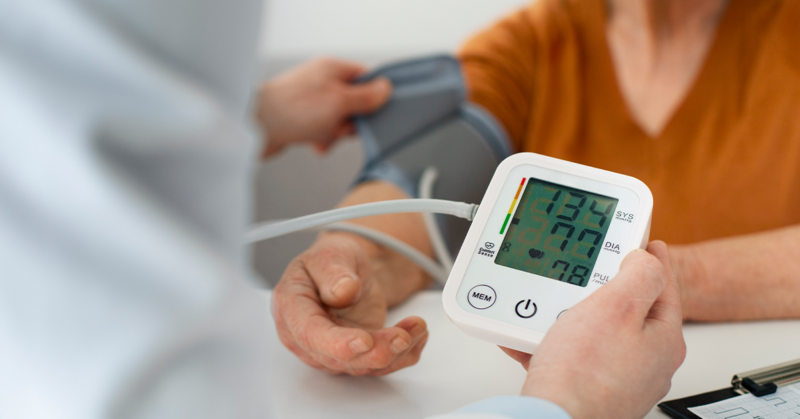
High blood pressure is often symptom-free, yet it quietly damages arteries and increases the risk of heart attacks and strokes. Measuring the force of blood against your artery walls is simple, quick, and crucial. A normal reading is generally around 120/80 mmHg, and regular monitoring helps catch dangerous elevations early.
2. Cholesterol Test (Lipid Profile)
A blood test can reveal your total cholesterol, LDL (“bad”) cholesterol, HDL (“good”) cholesterol, and triglycerides. Elevated LDL can lead to plaque buildup in arteries, a condition known as atherosclerosis. The AHA recommends adults start regular cholesterol checks at age 20, and repeat them every 4–6 years, or more frequently if risk factors exist.
3. Blood Sugar (Glucose) Test
Excess glucose in the blood can harm blood vessels and nerves that support heart function. Checking fasting blood sugar or hemoglobin A1c levels can identify prediabetes or diabetes early, both of which raise cardiovascular risk significantly.
4. Electrocardiogram (ECG or EKG)
This painless test records your heart’s electrical activity. It can detect irregular heart rhythms (arrhythmias) or evidence of a past heart attack that may have gone unnoticed. Even if you have no symptoms, an EKG can provide valuable insight into your heart’s health.
5. Body Weight and BMI (Body Mass Index)
Tracking your height, weight, and waist circumference helps assess the risk of obesity-related heart disease. Maintaining a healthy weight reduces strain on the heart and supports overall cardiovascular well-being.
Even if you feel fine, skipping these routine screenings could allow serious heart conditions to go unnoticed. Regular check-ups empower you to take preventive action, protect your heart, and live a longer, healthier life.
It is important to monitor your health regularly to prevent, detect, and manage potential risks. At University Medical Center of El Paso (UMC), our health professionals are here to support your overall well-being. Call (915) 521-7979 today to schedule an appointment, or visit umcelpaso.org to learn more.