



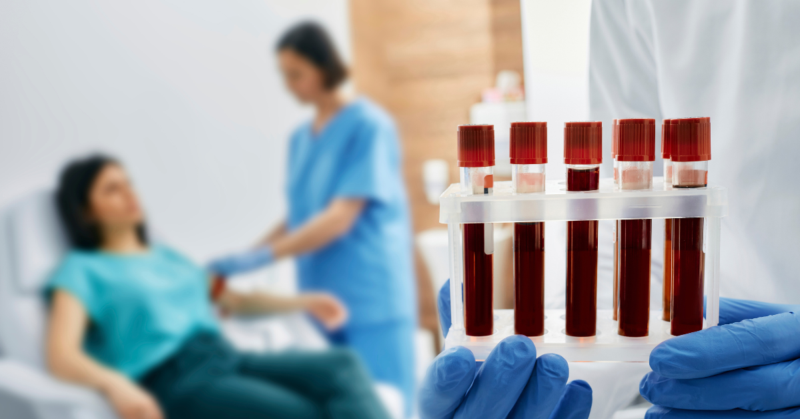
Feeling healthy does not always mean everything is fine. Many health conditions, including diabetes, high cholesterol, and kidney disease, can develop without noticeable symptoms. That is why routine lab screenings are an important part of preventive care.
Whether you’re visiting your primary care provider for an annual checkup or monitoring an existing condition, laboratory testing can provide valuable information about your health and help identify concerns before they become more serious.
Why Routine Lab Tests Matter
According to the Centers for Disease Control and Prevention (CDC), chronic diseases such as heart disease, diabetes, and kidney disease are among the leading causes of illness in the United States. Many of these conditions can be detected early through routine screenings and regular medical care.
Lab tests give healthcare providers a clearer picture of what is happening inside your body, often before symptoms appear. Early detection can lead to earlier treatment, better management, and improved health outcomes.
Common Lab Tests Your Provider May Recommend
The screenings you need depend on your age, medical history, and overall health. Some of the most common routine lab tests include:
- Complete Blood Count (CBC): Helps evaluate your overall health and can detect conditions such as anemia, infection, or certain blood disorders.
- Comprehensive Metabolic Panel (CMP): Measures kidney and liver function, blood sugar, electrolytes, and other important markers.
- Lipid Panel: Checks cholesterol and triglyceride levels to assess your risk for heart disease.
- Blood Glucose or A1C Test: Screens for prediabetes and diabetes.
- Thyroid Function Tests: Evaluate how well your thyroid is working.
- Urinalysis: Can help detect urinary tract infections, kidney problems, and other health conditions.
Your healthcare provider may recommend additional tests based on your personal health needs.
When Should You Have Routine Lab Work?
Routine screenings are often recommended during your annual wellness visit, but your provider may suggest testing more frequently if you:
- Have high blood pressure, diabetes, or another chronic condition
- Have a family history of certain diseases
- Are taking medications that require regular monitoring
- Have recently experienced changes in your health
- Are pregnant or planning a pregnancy
Some tests require fasting, while others do not. Before your appointment, ask your healthcare provider whether you should:
- Avoid eating or drinking for several hours
- Continue taking your medications
- Drink extra water before your blood draw
- Bring identification or insurance information
Following your provider’s instructions can help ensure the most accurate results.
UMC is committed to making preventive care accessible to our community. Talk to your healthcare provider about which routine screenings are right for you, and find a UMC laboratory location near you to stay on track with your health.
UMC also offers many other screening services, including mammograms, colonoscopies and more.
It is important to monitor your health regularly to prevent, detect, and manage potential risks. Our health professionals are here to support your overall well-being. Call (915) 521-7979 today to schedule an appointment or visit umcelpaso.org to learn more.