


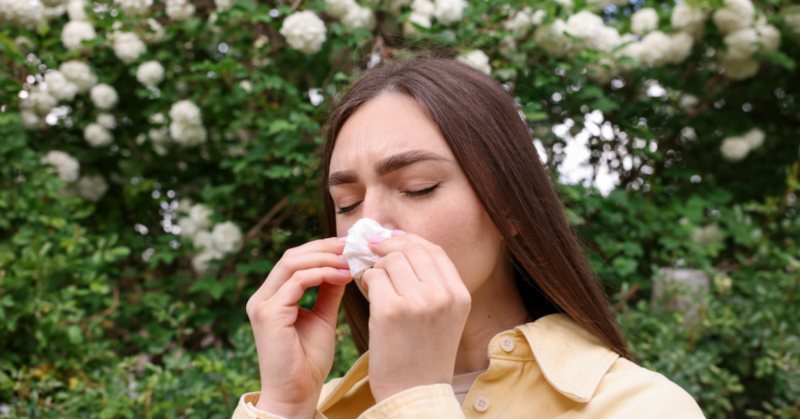
Spring in El Paso often brings warmer temperatures, blooming trees, and—unfortunately—an increase in sniffles, congestion, and itchy eyes. However, because many symptoms overlap, distinguishing between seasonal allergies and other illnesses can be difficult.
The combination of high winds, elevated pollen levels, and ongoing respiratory viruses is affecting the region. That’s why understanding the differences between allergies and illness can help you make informed decisions about your health and when to seek care.
Symptoms to Keep in Mind
Seasonal allergies and viral illnesses can share some common symptoms, such as congestion, sneezing, and fatigue. According to the National Institutes of Health, there are a few key differences that can help you tell them apart:
- Itchy, watery eyes are a hallmark of allergies and are uncommon with colds or the flu.
- Fever and body aches typically signal a viral illness and are not caused by allergies.
- Symptom duration can also provide clues. A cold usually improves within 7 to 14 days, while allergy symptoms can continue as long as you’re exposed to the trigger.
- Onset of symptoms matters too. Flu symptoms often appear suddenly, while allergies and colds usually develop more gradually.
If your symptoms include fever, body aches, or worsening fatigue, it may indicate a viral illness rather than seasonal allergies.
Why It Happens in April
Several seasonal factors contribute to increased allergy symptoms in El Paso during April, and pollen levels tend to rise in the spring, with oak trees currently in peak season. Many residents may notice yellow-green dust collecting on cars, sidewalks, and outdoor surfaces—that’s pollen. Other common spring pollens in the area include mulberry, ash, cottonwood, and mesquite.
High winds are another factor. Frequent gusts across the Borderland stir up dust and sand, which can irritate the respiratory system and worsen symptoms, even for those who don’t typically experience allergies.
In addition to seasonal triggers, respiratory viruses can still circulate in April. While influenza activity is decreasing, RSV may continue into the spring.
Simple Tips to Feel Better
If you’re dealing with seasonal symptoms this spring, a few simple steps can help reduce discomfort:
- Check daily pollen and wind forecasts before spending extended time outdoors
- Keep windows closed on windy or high-pollen days
- Shower and change clothes after spending time outside
- Use air filters or air purifiers indoors when possible
- Stay hydrated and get plenty of rest
Spring in El Paso can bring both beautiful weather and seasonal challenges. Knowing the difference between allergies and illness can help you take the right steps to protect your health and feel your best this April.
It is important to monitor your health regularly to prevent, detect, and manage potential risks. At University Medical Center of El Paso (UMC), our health professionals are here to support your overall well-being. Call (915) 521-7979 today to schedule an appointment or visit umcelpaso.org to learn more.