


Inflammation is your body’s natural response to stress, injury, and infection, but when it becomes chronic, it can quietly contribute to conditions like heart disease, diabetes, and arthritis. Luckily, food offers one of the most accessible ways to support your body’s inflammation response.
People in El Paso and throughout the borderland have long relied on fresh, colorful ingredients that not only add flavor but also deliver nutrients linked to reduced inflammation. This “anti‑inflammatory plate” isn’t a diet trend; it’s rooted in the very foods that grow well in our region’s climate and cultural food traditions.
Why Eating Local Matters
Eating foods grown locally can support anti‑inflammatory health in several ways:
- Freshness equals nutrients: Produce that doesn’t travel long distances often retains more vitamins, phytonutrients, and antioxidants.
- Cultural patterns reflect balance: Traditional recipes from the Southwest and Northern Mexico emphasize whole foods, such as vegetables, beans, lean proteins, and herbs.
- Sustainability supports health: Local food systems often encourage seasonal eating, which means high‑quality fruits and vegetables throughout the year.
Key Components of the El Paso Anti‑Inflammatory Plate
While individual needs vary, science points to several food groups that help support the body’s inflammation response:
1. Powerful Spices
Spices like turmeric and ginger contain compounds (such as curcumin) that have been shown in research settings to modulate inflammatory processes in the body. You can add them to soups, stews, and even smoothies for flavor and potential benefit.
2. Healthy Proteins
Lean animal proteins (like fish or chicken) and plant‑based sources (like beans and lentils) provide essential amino acids with less saturated fat.
3. Leafy Greens & Vegetables
Vegetables, such as spinach, kale, broccoli sprouts, and colorful peppers, offer fiber, antioxidants, and phytochemicals that support immune function and metabolic health. A diet higher in vegetables is consistently associated with lower markers of chronic inflammation.
4. Healthy Fats
Foods high in monounsaturated and polyunsaturated fats, such as olive oil, avocados, and seeds (like flax and chia), supply nutrients that help the body regulate inflammation and support heart health.
How To Build Your Plate
Here are practical ways to bring anti‑inflammatory foods into everyday meals:
- Make vegetables the centerpiece of your plate. Start with a big serving of greens or colorful veggies.
- Choose whole grains like brown rice, quinoa, or whole‑wheat tortillas instead of refined grains.
- Add healthy fats daily. You can drizzle olive oil on your salad or snack on avocado.
- Season with anti‑inflammatory spices, such as turmeric, ginger, garlic, and cinnamon.
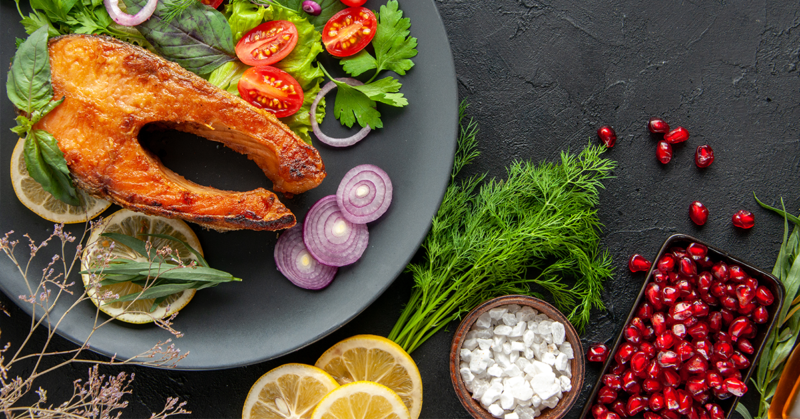
- Include lean proteins. Grilled fish, beans, or chicken breast are excellent options.
- Eat seasonally and locally when possible. Fresh produce retains more nutrients and often has a stronger flavor.
The El Paso “anti‑inflammatory plate” offers a practical way to eat for health without complicated diets or restrictions. By focusing on whole foods that thrive in our El Paso region, you can nourish your body, support your well‑being, and enjoy meals that taste great.
It is important to monitor your health regularly to prevent, detect, and manage potential risks. At University Medical Center of El Paso (UMC), our health professionals are here to support your overall well-being. Call (915) 521-7979 today to schedule an appointment or visit umcelpaso.org to learn more.