


Your body often gives warning signs when something serious is happening, and acting quickly can prevent complications or save your life. Some symptoms are obvious emergencies, while others may seem minor but can quickly become dangerous.
Below are 12 symptoms you shouldn’t ignore, and why seeking care at UMC Urgent Care or the UMC Emergency Room matters.
1. Chest Pain or Pressure
Chest discomfort, pressure, or squeezing could indicate a heart attack, heart inflammation, or other serious heart problems. Pain may radiate to the arm, jaw, or back. Sometimes it’s accompanied by shortness of breath, sweating, nausea, or dizziness.
What to do:
- Sit or lie down and stay calm.
- If the pain is severe or doesn’t go away within a few minutes, call 911 immediately.
- Avoid physical activity until evaluated.
Why it matters: Heart attacks are time-sensitive. Early treatment can save heart tissue and lives.
2. Trouble Breathing
Shortness of breath, wheezing, or a feeling of suffocation can indicate lung issues, asthma flare-ups, or heart problems.
What to do:
- Sit upright to make breathing easier.
- Use a prescribed inhaler if you have one.
- Go to the ER immediately if breathing difficulty is sudden, severe, or accompanied by chest pain or confusion.
Watch for: Labored breathing, blue lips or fingertips, or inability to speak full sentences — these are urgent warning signs.
3. Sudden Weakness, Numbness, or Trouble Speaking
Sudden weakness in one arm or leg, facial droop, slurred speech, or confusion can be signs of a stroke. The time when symptoms begin is critical for treatment.
What to do:
- Call 911 immediately.
- Note the time symptoms started, as it helps doctors decide treatment.
- Stay seated and avoid eating or drinking until evaluated.
Why it matters: Stroke treatments are highly time-sensitive. Early intervention can prevent permanent brain damage.
4. Bleeding That Won’t Stop
Bleeding that continues after 10–15 minutes of firm pressure can be life-threatening.
What to do:
- Apply firm, direct pressure on the wound.
- Elevate the injured area if possible.
- Avoid removing embedded objects; get to the ER immediately.
Why it matters: Uncontrolled bleeding can cause shock or permanent tissue damage.
5. Head Injury With Confusion or Loss of Consciousness
Head trauma followed by dizziness, confusion, vomiting, or fainting can indicate a concussion, internal bleeding, or skull fracture.
What to do:
- Keep the person still and monitor breathing.
- Avoid giving food or drink if vomiting occurs.
- Seek emergency care immediately.
Why it matters: Even seemingly minor head injuries can become life-threatening if internal bleeding occurs.
6. High Fever That Doesn’t Improve
A persistent high fever may signal a serious infection, including pneumonia or sepsis.
What to do:
- Stay hydrated and rest.
- Use over-the-counter fever reducers as directed.
- Seek urgent care if fever persists more than 48 hours, or if it’s accompanied by rash, stiff neck, confusion, or difficulty breathing.
Watch for: Fever above 103°F in adults, or 102°F in children, or rapid worsening of symptoms.
7. Severe or Worsening Abdominal Pain
Intense abdominal pain, especially if it suddenly worsens, can be appendicitis, gallbladder issues, bowel obstruction, or infection.
What to do:
- Avoid eating or drinking until evaluated if pain is severe.
- Go to urgent care or the ER if the pain comes with vomiting, fever, or swelling.
- Track the location and timing of pain — it helps doctors identify the cause.
8. Fainting or Sudden Collapse
Passing out or nearly fainting can result from dehydration, heart rhythm issues, low blood sugar, or neurological problems.
What to do:
- Sit or lie down immediately if feeling faint.
- Drink water or an electrolyte beverage if safe.
- Seek medical evaluation if fainting happens repeatedly, or is accompanied by chest pain, palpitations, shortness of breath, or confusion.
Why it matters: Recurrent fainting may indicate a hidden heart or neurological problem.
9. Sudden, Severe Headache
A headache that comes on suddenly, is unusually severe, or feels different from typical headaches could indicate a brain bleed or aneurysm.
What to do:
- Go to the ER immediately.
- Avoid pain medications before evaluation if you suspect bleeding.
Why it matters: Rapid intervention can prevent permanent brain injury.
10. Severe Allergic Reaction
Swelling of the lips, tongue, or throat, hives, or difficulty breathing can indicate anaphylaxis, a life-threatening allergic reaction.
What to do:
- Use an epinephrine auto-injector if prescribed.
- Call 911 immediately.
- Lay down with legs elevated if dizzy, unless breathing is difficult.
Why it matters: Anaphylaxis can become fatal within minutes if untreated.
11. Vomiting or Coughing Up Blood
Blood in vomit or mucus may signal internal bleeding or serious lung issues.
What to do:
- Stay calm and sit upright.
- Do not attempt to induce vomiting.
- Go to the ER immediately.
Watch for: Large amounts of blood, dizziness, or fainting — these require immediate intervention.
12. Sudden Leg Pain or Swelling
Rapid swelling, redness, or pain in one leg may indicate a blood clot (deep vein thrombosis).
What to do:
- Avoid massaging the leg.
- Keep it elevated if possible.
- Seek urgent care or the ER immediately.
Why it matters: Blood clots can travel to the lungs and become life-threatening.
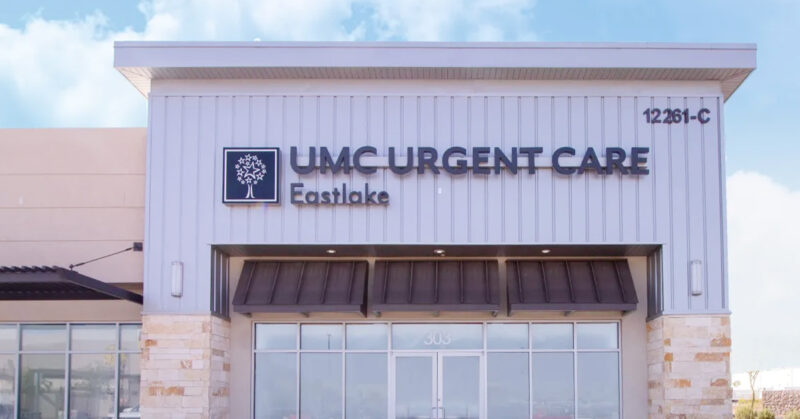
If you experience any sudden, severe, or unusual symptom, don’t wait. UMC Urgent Care can handle many non-life-threatening issues, and the UMC Emergency Room is available 24/7 for critical care. Acting quickly can make all the difference.
It is important to monitor your health regularly to prevent, detect, and manage potential risks. At University Medical Center of El Paso (UMC), our health professionals are here to support your overall well-being. Call 1-800-473-8440 or 915-479-3484 today to schedule an appointment, or visit www.umcelpaso.org to learn more.