


Your body often gives warning signs when something serious is happening, and acting quickly can prevent complications or save your life. Some symptoms are obvious emergencies, while others may seem minor but can quickly become dangerous.
Below are seven symptoms widely recognized as emergency warning signs that often require evaluation in an emergency department or a call to 911.
1. Chest Pain or Pressure
According to the American Heart Association, chest pain, pressure or tightness, especially when it spreads to the arm, jaw, back, or shoulder, may be a sign of a heart attack or other serious heart condition. Symptoms may also include shortness of breath, sweating, nausea, or dizziness.
What to do: Call 911 immediately if the pain is sudden, severe, or persistent.
2. Trouble Breathing
The Centers for Disease Control and Prevention (CDC) notes that sudden or severe shortness of breath can be a sign of serious heart or lung conditions, including asthma attacks, pneumonia, blood clots, or heart failure.
What to do: Seek emergency care immediately if breathing difficulty is sudden, worsening or accompanied by chest pain, confusion, or bluish lips or fingertips.
3. Stroke or Neurological Symptoms
According to the Centers for Disease Control and Prevention (CDC), sudden weakness on one side of the body, facial drooping, slurred speech, confusion, or seizures are classic warning signs of a stroke or other neurological emergencies. Time is critical for treatment.
What to do: Call 911 immediately and note when symptoms first appeared.
4. Severe Head Injury
The Centers for Disease Control and Prevention (CDC) reports that head injuries followed by confusion, vomiting, dizziness, or loss of consciousness may indicate a concussion or internal bleeding, even if symptoms initially seem mild.
What to do: Emergency evaluation is recommended.
5. Severe Allergic Reaction
According to the National Institute of Allergy and Infectious Diseases (NIAID), anaphylaxis is a life-threatening allergic reaction that can develop rapidly. Warning signs include swelling of the lips, tongue, or throat, hives, difficulty breathing, or dizziness. Immediate treatment is critical.
What to do: Use epinephrine if available and call 911 immediately.
6. Sudden Severe Abdominal Pain
According to the American College of Emergency Physicians (ACEP), sudden or severe abdominal pain may be associated with appendicitis, gallbladder disease, bowel obstruction, or serious infection. (ACEP)
What to do: Go to the ER if pain is intense, worsening, or accompanied by fever or vomiting.
7. Sudden Leg Pain, Swelling, or Redness
Sudden leg pain, swelling, warmth, or redness may indicate a deep vein thrombosis (DVT), a blood clot that can travel to the lungs and become life-threatening.
What to do: Seek emergency care promptly.
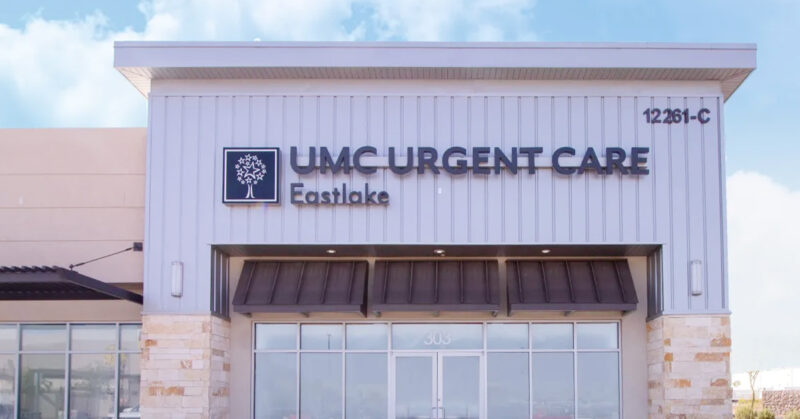
If you experience any sudden, severe or unusual symptom, don’t wait. UMC Emergency Room is available 24/7 for critical care. Acting quickly can make all the difference.
It is important to monitor your health regularly to prevent, detect, and manage potential risks. At University Medical Center of El Paso (UMC), our health professionals are here to support your overall well-being. Call (915) 521-7979 today to schedule an appointment, or visit umcelpaso.org to learn more.