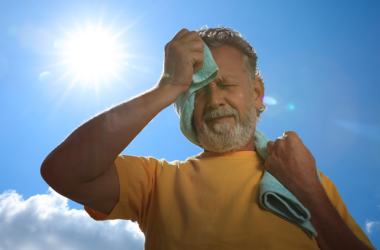



Summer temperatures in El Paso can be more than uncomfortable: they can pose serious health risks. Prolonged exposure to extreme heat can increase the risk of dehydration, heat exhaustion and heat stroke, particularly among older adults, young children, people with chronic health conditions, and those who spend significant time outdoors.
As temperatures continue to rise throughout the summer months, taking a few preventive measures can help reduce the risk of heat-related illness.
Stay Hydrated
Staying hydrated is one of the most effective ways to protect yourself during periods of extreme heat.
Health experts recommend drinking fluids regularly throughout the day, even if you do not feel thirsty. Water is usually the best choice, although electrolyte-replacement beverages may be beneficial during prolonged outdoor activity or heavy sweating.
Foods with high water content, including fruits and vegetables, can also help support hydration.
Heat Exposure
Limiting exposure during the hottest part of the day can help reduce the risk of heat-related illness.
Whenever possible, outdoor activities should be scheduled during the early morning or evening hours, when temperatures are typically lower. If time outdoors is unavoidable, lightweight clothing, sunscreen, and shade can help minimize heat stress.
Staying Cool
Air-conditioned spaces remain one of the most effective protections against extreme heat.
Individuals without access to air conditioning may benefit from spending time in public buildings such as libraries, shopping centers, or other cooled facilities. Closing blinds and curtains during the day and taking cool showers can also help lower body temperature.
Vehicle Safety
Every summer, preventable tragedies occur when children or pets are left inside parked vehicles.
Temperatures inside a car can rise rapidly within minutes, creating dangerous conditions even when outdoor temperatures seem moderate. Children, older adults, individuals with disabilities, and pets should never be left unattended in a vehicle.
When to Seek Medical Attention
Symptoms such as dizziness, headache, nausea, muscle cramps, excessive sweating, weakness, or confusion should not be ignored. Prompt action, including moving to a cooler location and increasing fluid intake, may help prevent symptoms from worsening.
More severe symptoms, including loss of consciousness or signs of heat stroke, require immediate medical attention.
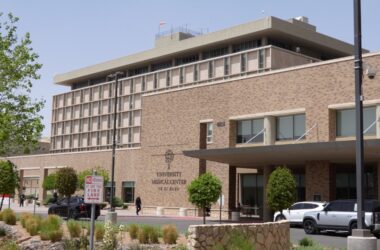
It is important to monitor your health regularly to prevent, detect and manage potential risks. At UMC, our health professionals are here to support your overall well-being. Call (915) 521-7979 today to schedule an appointment or visit umcelpaso.org to learn more.