


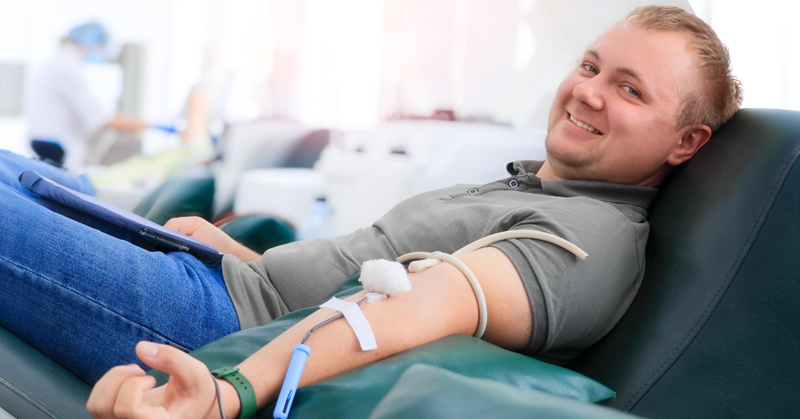
Every year on June 14, World Blood Donor Day recognizes the millions of people who donate blood and help save lives. A single donation can support patients undergoing surgery, cancer treatment, trauma care, and many other medical procedures.
In El Paso, the primary organization that manages the region’s blood supply is Vitalant (formerly known as United Blood Services). They supply the blood used in major local hospital systems like University Medical Center of El Paso (UMC), the Hospitals of Providence, and Las Palmas Del Sol.
If you want to donate specifically for World Blood Donor Day on June 14, El Paso offers permanent donation centers as well as dedicated mobile blood drives scattered across the city.
1. Permanent Donation Centers in El Paso
Vitalant operates two major, permanent donor centers in the city—one on the West Side and one on the East Side. Both accept appointments and walk-ins:
- West Side Center: 424 S. Mesa Hills Drive (near Sunland Park Drive).
- East Side Center: 1338 N. Zaragoza Road (near the intersection of Zaragoza and Vista Del Sol Drive).
2. World Blood Donor Day Mobile Drives
Because World Blood Donor Day falls on Sunday, June 14, local churches and community sites host specific mobile blood drives to capture weekend donors.
A primary community location hosting the official Vitalant Bloodmobile is:
- Holy Spirit Catholic Church (Blood Mobile)
- Location: 14600 Horizon Blvd (just east of El Paso proper)
- Hours: 9:00 AM – 3:00 PM on Sunday, June 14
If you cannot make it exactly on Sunday, there are surrounding mobile drives running right before and after World Blood Donor Day at local medical spots:
- Sierra Medical Center: 1625 Medical Center Drive (Friday, June 12, in the Doctors’ Dining Room).
- Texas Tech Transmountain / Health Sciences Center: Multiple bloodmobiles will be stationed at the campus locations (Tuesday, June 16).
How to Book Your Slot
To secure a time—especially since World Blood Donor Day can get busy — you can go to Vitalant.org, click “Donate Now,” and search using any El Paso zip code. You can also call their local coordination line at 877-258-4825.
Despite the ongoing need for blood donations, misconceptions about the donation process continue to discourage some people from donating. According to the American Red Cross, many of the most common concerns are based on myths rather than current donation guidelines.
Myth: Donating Blood Is Painful
One of the most common concerns about blood donation is the fear of needles.
While donors may feel a brief pinch when the needle is inserted, most report that the discomfort is minimal and only lasts a few seconds. After that, the donation process is generally well tolerated and takes only a short amount of time.
Myth: People With Tattoos Can’t Donate
Many people assume that having a tattoo automatically disqualifies them from donating blood, but that is often not the case.
In most states, individuals who receive a tattoo from a state-regulated facility may be eligible to donate without a waiting period. Eligibility requirements can vary depending on where and how the tattoo was obtained, so potential donors should check current guidelines before donating.
Myth: Only Rare Blood Types Are Needed
While certain blood types may be in particularly high demand, every blood type plays an important role in patient care.
According to the American Red Cross, someone in the United States needs blood approximately every two seconds. Hospitals rely on donations from people of all blood types to meet patients’ needs every day.
Whether your blood type is common or rare, your donation can make a difference.
Myth: I’m Too Old to Donate
Many people are surprised to learn that there is no upper age limit for blood donation.
If a person meets the eligibility requirements and is in good health, they may be able to continue donating throughout their lifetime.
Myth: High Blood Pressure Means I Can’t Donate
Having high blood pressure does not automatically prevent someone from donating blood.
In many cases, individuals with controlled blood pressure, including those taking medication, may still be eligible to donate. Blood pressure is checked before donation as part of the screening process to help ensure donor safety.
Why Blood Donation Matters
Blood donations remain a critical part of healthcare, and hospitals depend on volunteer donors to help maintain the supply needed to care for patients every day.
From emergency situations and trauma care to surgeries and chronic disease treatments, donated blood plays a vital role in modern healthcare. That’s why awareness campaigns like World Blood Donor Day are so important for educating and encouraging more people to consider donating.
At University Medical Center of El Paso, we recognize the importance of blood donors and the role they play in supporting patients throughout our community.
Stay connected with UMC’s events, initiatives and community recognition. Visit umcelpaso.org to learn more, register for upcoming events, or celebrate our latest achievements.