



Colorectal cancer, or cancer of the colon or rectum, was was once thought to be a disease mainly of older adults. According to a recent Dallas Morning News article by Emily Brindley, rates are now rising among people under age 50.
At University Medical Center of El Paso, we want our community to understand what this trend means, what experts are seeing, and what steps you can take now.
Colorectal Cancer Is Showing Up in Younger Adults
Doctors are increasingly treating colorectal cancer in patients younger than 50. Dr. Bethany Malone, a colon and rectal surgeon quoted in The Dallas Morning News, says the youngest patient she’s treated, not counting those with known genetic conditions, was just 19 years old.
“I have not gone a year in practice without taking a colon cancer out of someone in their 20s,” Malone said.
Why Are Younger People Getting Colorectal Cancer?
Experts point to a combination of lifestyle and environmental factors rather than genetics. Dr. Radhika Kainthla, a medical oncologist at Parkland Memorial Hospital in Dallas, notes that only about 20% of early-onset colorectal cancer patients have a genetic link.
Dietary choices play a key role. Low fiber intake, high consumption of red meat, ultra-processed foods, and lack of exercise increase risk. “Fiber does a lot of work in the gut,” Dr. Malone explains, “including feeding a healthy microbiome and helping flush carcinogens out of the body before they’re absorbed.”
Environmental exposures, such as living near hazardous waste sites, may also contribute, says Dr. Emina Huang, colorectal surgeon at UT Southwestern Medical Center.
How Can You Lower Your Risk?
Preventive strategies overlap with general health recommendations:
- Exercise regularly
- Avoid smoking and limit alcohol
- Eat a diet rich in fruits, vegetables, and fiber, and low in red meat
- Maintain a healthy weight (but don’t rely solely on restrictive diets)
Pay attention to your body. Persistent abdominal pain, changes in bowel movements, or blood in the stool should prompt medical evaluation.
When Should You Be Screened?
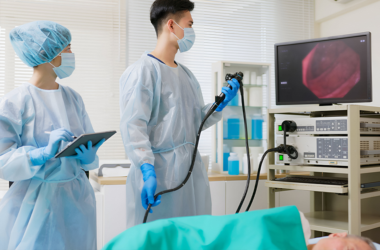
Because of rising early-onset cases, the U.S. Preventive Services Task Force now recommends colorectal cancer screening at age 45 for average-risk adults. Colonoscopy is the gold standard, but stool tests and other scans are also options.
Those with higher risk, such as a first-degree relative with colorectal cancer or polyps, or personal history of Crohn’s disease or ulcerative colitis, may need to start screening earlier. Typically, screenings should begin 10 years younger than the age of diagnosis of the affected relative.
Colorectal cancer is no longer just a concern for older adults, and awareness, healthy lifestyle choices, and timely screening can make a big difference. If you notice persistent digestive changes, talk to your healthcare provider, early detection saves lives.
It is important to monitor your health regularly to prevent, detect, and manage potential risks. At University Medical Center of El Paso (UMC), our health professionals are here to support your overall well-being. Call (915) 521-7979 today to schedule an appointment, or visit umcelpaso.org to learn more.